
When the crops are ready, there’s no margin for hesitation. Each sunrise and sunset defines the rhythm of harvest — a window where efficiency decides profit, and timing determines success. In South Africa’s vast agricultural regions, from the golden maize belts of the Free State to the rolling canola fields of the Western Cape, the harvester is the machine that turns potential into yield.
But with new machines priced far beyond the reach of many farmers, an increasing number are turning to used harvesters — proven workhorses that deliver full-scale performance at a practical cost. These pre-owned giants are driving the backbone of food production, allowing both small and large-scale producers to harvest smarter, faster, and more sustainably.
The Heartbeat of Every Successful Farm
The harvester — whether it’s a combine, forage, or specialized unit — is more than just equipment. It’s the culmination of an entire season’s work. Every drop of fuel, every turn of the plough, every spray and seed leads up to this moment.
A breakdown or delay can mean losing tonnes of grain to rain, moisture, or spoilage. That’s why dependable machinery is essential — and it’s also why the market for used harvesters continues to grow. Farmers need reliability, not luxury. A solid, well-serviced used harvester delivers exactly that.
Why Used Harvesters Make Business Sense
Modern harvesters are built to last decades. With proper maintenance, many models can operate beyond 8,000–10,000 hours without losing efficiency. Buying used offers farmers an affordable way to access this technology — without the massive depreciation that comes with new equipment.
Here’s why used units make sense for South African conditions:
- Lower Capital Outlay: Typically 40–60% cheaper than new models.
- Immediate Availability: No months-long waiting for imports.
- Proven Field Performance: Machines that have already handled African conditions.
- Simpler Maintenance: Older designs often require less complex electronics and tools.
- Parts Availability: Brands like John Deere, Case IH, Claas, and New Holland are widely supported locally.
The financial advantage is significant — but it’s the operational reliability that keeps farmers returning to the used market season after season.
Understanding How a Harvester Works
A combine harvester performs several key processes in a single pass — cutting, threshing, separating, and cleaning. Here’s a quick breakdown of each stage:
- Cutting: The header cuts standing crops and feeds them into the threshing drum.
- Threshing: Cylinders and concaves beat and separate grain from straw.
- Separation: Remaining grain is shaken out of the straw using sieves and air flow.
- Cleaning: Fans remove debris, leaving pure, ready-to-store grain.
- Collection: The grain tank holds the yield until it’s unloaded into a trailer or grain cart.
Advanced models even include yield monitoring, moisture sensing, and GPS mapping — technologies increasingly found in well-maintained used units.
Different Types of Harvesters and Their Roles
South African farms use a variety of harvester types, each tailored to different crops and terrains.
1. Combine Harvesters
These are the all-rounders — ideal for cereals like maize, wheat, barley, and oats. They integrate cutting, threshing, and cleaning in one operation.
2. Forage Harvesters
Designed for silage and animal feed, they chop green crops like maize, sorghum, or grass into fine material for storage or immediate use.
3. Specialty Harvesters
Used for specific crops such as sugarcane, sunflowers, or soybeans. Many come with interchangeable headers for flexibility.
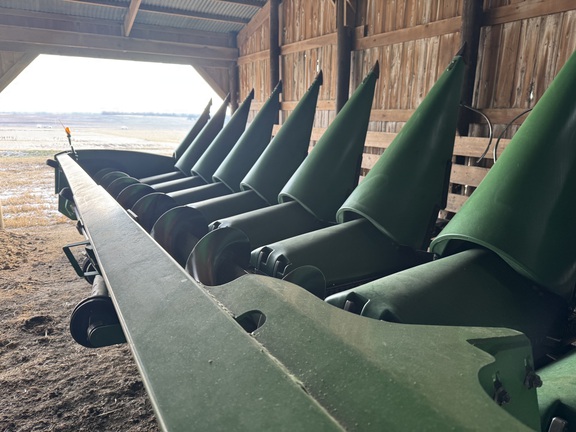
4. Corn and Row-Crop Headers
Optional attachments that allow combines to handle multiple crop types efficiently — a popular choice among diversified South African farms.
From smallholder farms to high-yield estates, there’s a harvester for every purpose — and a used option for every budget.
Top Brands Trusted by South African Farmers
A few names dominate the market, each with proven track records under local conditions:
- John Deere: Known for durable engines, intelligent control systems, and strong resale value.
- Case IH: Delivers robust, easy-to-service designs with smooth operation on uneven terrain.
- Claas: Renowned for German engineering precision and high throughput.
- New Holland: Offers balance between comfort, capacity, and cost-efficiency.
- Gleaner: Lightweight, fuel-efficient harvesters ideal for hilly regions.
These brands form the backbone of the used equipment listings at Machinery Warehouse, ensuring buyers can find the right model with confidence.
Key Factors to Inspect When Buying Used
A harvester is a complex machine, but a careful inspection can help you identify real value. Here’s what to check before finalizing your purchase:
- Engine Hours: Aim for under 5,000 hours for general use, or ensure recent overhauls are documented.
- Threshing Components: Look for wear on rasp bars, concaves, and augers.
- Belts and Chains: Cracks or stiffness may indicate long storage or poor lubrication.
- Electrical Systems: Test lights, monitors, and sensors for proper function.
- Header Compatibility: Confirm the model matches your existing headers or intended crops.
- Cab and Controls: Ensure ergonomic comfort and clear visibility — vital for long harvest days.
Machines sold through reputable suppliers like Machinery Warehouse often undergo these inspections before listing, giving buyers peace of mind.
Performance in South African Conditions
The diverse landscapes of South Africa test every part of a machine — from the dry heat of the Karoo to the moisture-heavy Midlands. A well-maintained harvester adapted to these conditions can outperform newer imports built for cooler climates.
Farmers often retrofit their units with improved cooling systems, wider tyres, or stronger air filters to handle dust and debris. Many of these upgrades remain in place when the equipment is resold, making used models even more field-ready for local operations.
The Role of Technology in Used Equipment
Gone are the days when “used” meant “outdated.” Many modern used harvesters feature precision agriculture systems such as:
- GPS-assisted steering.
- Onboard yield monitoring.
- Moisture sensors for real-time quality tracking.
- Variable-speed control for fuel efficiency.
Even if you’re not using full digital mapping, these built-in features enhance accuracy and reduce waste — vital for maximizing profits in today’s competitive market.
The Economic Advantage: Getting More for Less
Purchasing a used harvester offers unmatched financial flexibility. Instead of investing R4 million or more in a new combine, a well-maintained used model can cost less than half that.
That price difference allows farms to allocate funds toward fuel reserves, spare parts, labour, or even expanding their fleet. For contractors and cooperatives, the ability to acquire multiple used harvesters means faster completion times and more clients served per season.
Environmental Benefits of Reuse
Each used machine that returns to service helps reduce waste and carbon emissions. Manufacturing a new combine harvester requires several tonnes of steel and energy-intensive processes. Reusing one prevents unnecessary production while keeping local food systems efficient.
Sustainability isn’t only about renewable energy — it’s about extending the life of good machines that still have work to do.
Maintenance: Keeping the Machine at Its Best
Regular servicing transforms a used harvester into a long-term investment. Here’s what experienced operators recommend:
- Replace filters and oil at recommended intervals.
- Grease all bearings and moving joints before every major run.
- Inspect belts and chains weekly during harvest.
- Store indoors to protect electronics and hydraulics from weather.
- Schedule preseason inspections before planting.
These habits are simple but critical. The best-used machines aren’t lucky — they’re looked after.
Stories from the Field
On a maize farm near Standerton, an older Claas Lexion has been running for seven seasons since purchase from Machinery Warehouse. “It just keeps going,” says the owner. “We upgraded the bearings once and added LED lights, and it hasn’t failed once.”
Another farmer in Limpopo bought a used Case IH Axial-Flow after struggling with unreliable contract harvesters. “I own my time now,” he explains. “Used or not, it pays for itself every single year.”
These stories echo across provinces — proof that buying second-hand doesn’t mean second-best.
How Machinery Warehouse Supports Buyers
At Machinery Warehouse, transparency is the standard. Every harvester listed undergoes a detailed evaluation covering key systems — from hydraulics to threshing drums. Listings include real photos, verified specs, and accurate condition descriptions.
Buyers also enjoy:
- Access to a wide variety of brands and models.
- Nationwide transport options.
- Secure payment systems.
- Professional assistance for model selection.
Whether you’re harvesting maize, wheat, or soy, the platform simplifies every step — from browsing to delivery.
Nationwide Delivery and Support
No matter where your farm operates — Northern Cape, Mpumalanga, KwaZulu-Natal, or beyond — Machinery Warehouse coordinates transport through trusted carriers.
Delivery options include:
- Standard shipping: Affordable scheduling for non-urgent deliveries.
- Express service: Fast transport during harvest season when time matters most.
All shipments are fully insured, ensuring peace of mind from purchase to arrival.
Building the Future of South African Farming
Agriculture is evolving — not just through technology, but through smart economics. Used machinery allows farmers to remain competitive, independent, and profitable even when market pressures rise.
By keeping high-quality harvesters in operation, South Africans ensure food security, preserve resources, and support local industry. It’s a model that blends resilience with practicality — and one that defines the modern farmer’s spirit.
Final Thoughts: Harvest More, Spend Less
At the end of every harvest, success isn’t measured by the shine of the machine but by the yield in the trailer. Used harvesters prove that you don’t need new paint to deliver performance. What matters is quality, service, and the will to keep growing.
If you’re ready to make your next harvest smoother, explore the wide range of used harvesters available now at
MachineryWarehouse.co.za.
Reliable, field-tested, and affordable — these machines are built to work as hard as you do.
About Machinery Warehouse
Machinery Warehouse connects South African farmers, contractors, and industrial buyers with dependable used equipment. Each machine is inspected before listing to guarantee transparency, performance, and value in every purchase.