
In the rhythm of farming, some machines work quietly in the background — dependable, simple, and essential. The cultivator is one of them. While the tractor gets the glory and the harvester takes the spotlight, it’s the cultivator that lays the foundation for everything to grow.
Across South Africa, farmers are rediscovering the value of used cultivators — strong, proven machines that keep doing the hard work season after season without costing a fortune. For growers trying to balance rising input prices with shrinking margins, this shift toward reliable, second-hand tillage equipment isn’t just smart business; it’s survival with strategy.
The Real Workhorse of the Farm
A cultivator’s job seems simple — loosen the soil, uproot weeds, and prepare seedbeds. Yet behind that simplicity is the science of soil health. By aerating the ground, cultivators allow water and nutrients to reach plant roots more effectively. They also break up surface crusts that can prevent seedlings from emerging.
Every farmer knows that even the best seed won’t germinate in hard, compacted soil. That’s where the cultivator proves its worth. It restores structure, preserves moisture, and keeps weeds in check — all without relying on expensive chemical treatments.
Modern farms may use GPS-guided combines and high-tech planters, but a sturdy cultivator remains the most cost-effective tool in the shed.
Why Farmers Are Choosing Used Over New
Buying new machinery is often out of reach for small and mid-scale farmers. But even large operations have begun shifting toward quality used implements. Why? Because the logic is simple: most cultivators are built with solid steel frames, straightforward mechanics, and replaceable wear parts.
Unlike electronics-filled harvesters or self-propelled sprayers, a cultivator doesn’t lose its efficiency just because it’s older. With basic maintenance, it can last for decades.
Here’s what’s driving the growing market for used cultivators across South Africa:
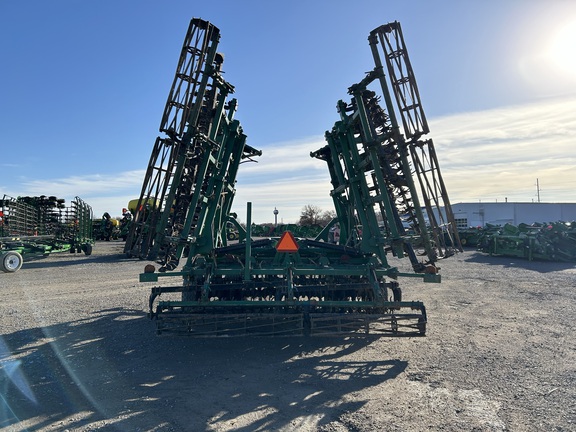
- Affordability without compromise. A second-hand cultivator can cost a fraction of a new model, freeing up cash for fertilizer, irrigation, or seed.
- Immediate availability. No waiting for overseas shipments — these machines are ready to go.
- Proven reliability. You’re buying equipment that has already been tested under real farming conditions.
- Local parts and service. Common models have spare parts available from suppliers across the country.
- Reduced risk. Depreciation is lower, so if you ever sell, you’ll recover more of your investment.
For many, it’s not about buying cheap; it’s about buying smart.
Different Types of Cultivators and Their Uses
South Africa’s diverse soils — from the red clays of Limpopo to the sandy plains of the Northern Cape — require different tools for different tasks. Understanding what each type of cultivator does helps you choose the right one for your land.
1. Field Cultivators
Used for general soil loosening and weed control between crops.
They’re ideal for maize, sorghum, and soybean fields where surface aeration is key.
2. Rotary Tillers
Equipped with rotating blades that break the soil deeply, these machines create smooth, consistent seedbeds.
Perfect for vegetables, orchards, and small-scale crop plots.
3. Disc Cultivators
Known for their heavy-duty performance, disc cultivators work well on dry, compacted soils.
They cut through tough residue and mix organic matter back into the ground.
4. Rippers and Subsoilers
Built for deep soil penetration, these break up hardpan layers and improve drainage.
Farmers often use them before planting deep-rooted crops or after several seasons of heavy traffic from tractors.
Choosing the right model comes down to the type of crop, soil texture, and tractor power you already have.
Before You Buy: A Practical Inspection Guide
Used doesn’t mean unknown. You just need to check a few critical points before committing to a purchase.
When viewing a cultivator in person or online, focus on the following areas:
- Frame Integrity — Examine joints, welds, and corners for cracks or recent repairs. A solid frame means longer life.
- Tines and Blades — They should be straight and have enough material left for sharpening. Replaceable tips are a plus.
- Bearings and Moving Parts — Spin the shafts by hand. They should turn smoothly with no grinding or looseness.
- Hitch and Mounting Points — Check that the implement will fit your tractor’s three-point or drawbar system.
- Paint and Rust — Surface rust is normal, but deep pitting could mean long-term exposure.
- Hydraulics (if applicable) — For cultivators with folding wings or lifting mechanisms, check hoses for leaks and seals for wear.
A few minutes of inspection can save hours of frustration later. The listings at Machinery Warehouse already include many of these details to help you make informed choices.
Matching Cultivators to South African Soils
Soil conditions across the country vary dramatically, and the right cultivator choice often depends on your region.
- Free State and North West: Heavy clay soils benefit from deep rippers that break up compaction and improve water infiltration.
- Western Cape: Lighter, sandy soils work best with rotary tillers or flexible tines that won’t over-pulverize.
- Mpumalanga and Limpopo: Mixed terrain often requires disc cultivators with adjustable depth settings.
- KwaZulu-Natal: For rolling, moist land, lighter field cultivators minimize erosion and maintain structure.
Matching your implement to your environment ensures better soil health and less fuel consumption.
Maintenance: Keeping the Iron Alive
A cultivator’s lifespan depends entirely on how it’s treated. Farmers who buy used equipment often take pride in maintaining it well — and with good reason. Regular attention prevents wear from turning into costly downtime.
Here’s a routine many experienced operators follow:
- Daily: Check and tighten bolts, remove soil buildup, grease pivot points.
- Weekly: Inspect tines or blades for wear; replace any that are cracked or bent.
- Seasonally: Repaint exposed metal surfaces to prevent rust; inspect bearings and seals before long-term storage.
- Storage: Park under shelter or use a tarp; moisture and sun can both weaken steel over time.
Even a twenty-year-old cultivator can run like new if cared for properly. It’s often the attention between seasons that makes the difference.
What Other Farmers Are Saying
Many buyers find that older machines perform better than newer imports because they were built heavier and simpler.
One Eastern Cape farmer who purchased a refurbished field cultivator through Machinery Warehouse shared this insight:
“It may not look shiny, but it’s strong. I pull it behind a 70-horse tractor, and it still runs straight as an arrow. That thing will outlast me.”
Stories like this are common because the basics of good machinery haven’t changed — strength, simplicity, and serviceability still win every time.
Sustainability Through Reuse
Buying used machinery isn’t just an economic choice; it’s also an environmental one. Reusing existing equipment reduces manufacturing demand, conserves raw materials, and keeps functional metal out of scrap heaps.
For a country striving toward sustainable farming, that matters. When a cultivator gets a second life on another farm, it’s proof that smart resource management and profitability can work hand in hand.
Why Buy from Machinery Warehouse
Not all marketplaces are the same. Machinery Warehouse has built a reputation as a trusted platform where farmers can buy and sell with confidence.
Here’s what makes it stand out:
- Listings include clear photos, specifications, and honest descriptions.
- Machines are checked for usability before publication.
- Nationwide delivery options make it easy to receive your equipment anywhere.
- Secure, traceable transactions keep both buyer and seller protected.
That combination of transparency and convenience is why more South African farmers are turning to Machinery Warehouse when upgrading their equipment fleets.
Final Thoughts: Strong Soil, Strong Yields
The cultivator may not be the flashiest implement on the farm, but it’s one of the most dependable. It quietly transforms tired soil into fertile ground and keeps operations running smoothly year after year.
Buying used isn’t a compromise — it’s a decision rooted in experience, practicality, and respect for good engineering. Every bolt, every tine, every weld tells a story of work done well and work still ahead.
Whether you’re managing a smallholding or hundreds of hectares, a trusted cultivator is one of the smartest investments you can make.
Explore the full range of used cultivators available at
MachineryWarehouse.co.za
— machines built to work hard, priced to make sense, and ready for South African soil.
About Machinery Warehouse
Based in South Africa, Machinery Warehouse connects farmers and contractors with dependable used agricultural and construction equipment. Every machine is inspected for quality and readiness before being listed, ensuring buyers receive equipment that performs reliably season after season.