
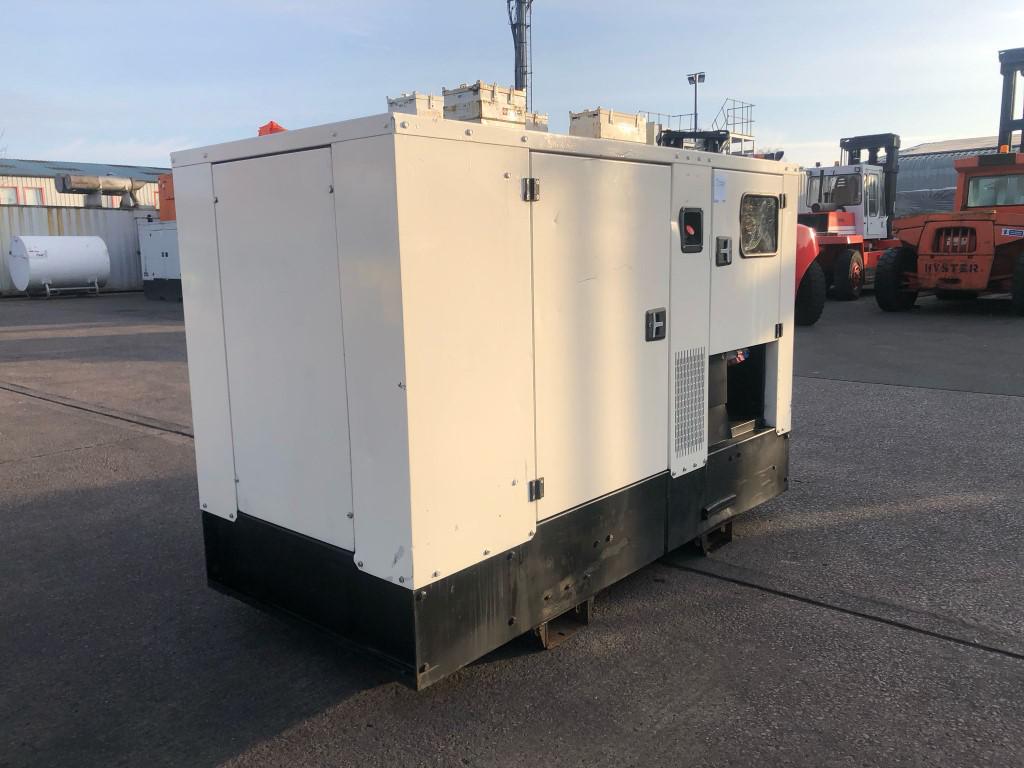
When the lights flicker out across farms, workshops, and construction sites, work doesn’t stop — it simply shifts to another source of energy. In a country where electricity cuts have become part of everyday life, diesel generators have quietly become the lifeblood of South African productivity.
From poultry farms keeping incubators running to small manufacturers powering entire production lines, generators bridge the gap between uncertainty and progress. Yet, the high cost of new units has pushed many business owners and farmers to take a smarter route: investing in used diesel generators that deliver the same reliability at a far lower price.
Why Power Security Matters More Than Ever
Electricity instability has turned reliable backup power from a luxury into a necessity. Whether you run a dairy in KwaZulu-Natal or an engineering workshop in the Western Cape, you can’t afford downtime.
Used diesel generators have become the go-to solution for businesses that value performance but need to manage budgets wisely. They’re not backup equipment anymore — they’re part of a permanent energy plan.
Every generator listed on MachineryWarehouse.co.za tells the same story: a machine built to handle pressure, to keep the work moving when everything else stops.
The Economics of Buying Used
A new generator might sound appealing until you see the price tag. Even a mid-range industrial model can run into hundreds of thousands of rand. For most operations, that’s money that could be better invested in raw materials, staff, or expansion.
Used diesel generators, on the other hand, offer the same essential value — dependable energy — without the financial strain. Here’s why many South African buyers are making the switch:
- Reduced capital cost: Often 40–60% cheaper than new units.
- Immediate availability: No shipping delays or import lead times.
- Proven reliability: You’re buying a generator that’s already worked in the field.
- Easier to maintain: Older designs are often simpler and easier to service.
- Better return on investment: Lower purchase price means faster payback time.
In a power-hungry economy, the smart money goes where the engines already know how to perform.
Understanding Diesel Generator Basics
A diesel generator converts mechanical energy into electrical energy through combustion and rotation. But beyond that simple explanation, every component plays a vital role.
1. The Engine: The heart of the generator. It drives the alternator using diesel fuel — known for its efficiency and durability.
2. The Alternator: Converts mechanical motion into electrical current. Premium brands use copper windings for longevity.
3. The Fuel System: Controls fuel flow and ensures consistent combustion under varying loads.
4. The Cooling and Exhaust System: Prevents overheating and safely channels fumes away.
5. The Control Panel: Displays key performance data — voltage, frequency, oil pressure — and allows remote operation.
When buying used, each of these systems should be inspected or tested to ensure they’re still functioning correctly. Most reputable resellers, including Machinery Warehouse, perform these checks before listing a generator for sale.
Common Power Capacities and Their Uses
Generators come in a wide range of power ratings, measured in kVA (kilovolt-amperes). The right size depends on what you need to power.
- 20–60 kVA: Ideal for small farms, retail shops, and offices.
- 80–250 kVA: Powers workshops, irrigation systems, or small industrial operations.
- 300–750 kVA: Suitable for commercial buildings, factories, or housing complexes.
- 800 kVA and above: Industrial-grade backup for hospitals, data centres, or large-scale agricultural operations.
Buying used gives you access to higher capacities that might otherwise be unaffordable new. That’s why many commercial farms run refurbished MTU, Cummins, or Perkins sets — trusted engines that can run for tens of thousands of hours with regular servicing.
Key Factors to Inspect Before Buying
Diesel generators are designed to last, but performance depends on maintenance. Here’s what you should check before making a purchase:
1. Operating Hours
Every generator has a lifespan measured in hours. A lower-hour machine isn’t always better — what matters is consistent maintenance. A 10,000-hour unit with full service records is often more reliable than a neglected 3,000-hour one.
2. Service History
Ask for documentation of oil changes, filter replacements, and load tests. Reputable sellers keep these records on file.
3. Alternator Condition
Check for corrosion, insulation wear, or burnt smells — all signs of overheating or electrical faults.
4. Soundproofing and Housing
Many industrial generators are housed in acoustic enclosures that reduce noise and protect against dust and weather. Make sure the panels are intact and doors seal properly.
5. Load Test Results
A simple test under load shows whether the generator can deliver stable voltage without fluctuations. This is the best way to confirm its health.
6. Control System
Modern control panels include safety shutdowns and digital monitoring. Verify that alarms, sensors, and meters work correctly.
When purchasing through Machinery Warehouse, these checks are typically completed in advance, so you know exactly what you’re buying.
The Brands That Keep South Africa Running
Over the years, a few generator brands have earned near-legendary reputations among technicians and operators. Each has its loyal following and practical advantages:
- Perkins: Reliable British-made engines known for long life and easy parts availability.
- Cummins: Powerful, efficient, and well-suited for heavy-duty industrial use.
- MTU / Detroit Diesel: Premium German engineering with low vibration and excellent fuel economy.
- Volvo Penta: Smooth running, great for sensitive electrical equipment.
- Deutz: Compact and durable; excellent for mobile or trailer-mounted setups.
Because parts and technicians for these brands are widely available in South Africa, choosing one ensures straightforward maintenance for years to come.
Running Costs and Fuel Efficiency
Fuel consumption varies by generator size, but diesel remains the most cost-effective option for long-term power generation. Unlike petrol engines, diesel models use compression ignition, which yields more torque and better fuel economy.
For example, a medium-sized 150 kVA unit typically burns around 25–30 litres per hour at 75% load. That might sound high, but when you factor in the stability and output, diesel remains the lowest-cost energy source per kilowatt produced.
Maintenance is equally affordable if done on schedule — regular oil changes, fuel filter swaps, and coolant checks are usually all that’s needed.
How to Size the Right Generator
Sizing is one of the most common mistakes first-time buyers make. Too small, and the generator strains under load; too large, and it wastes fuel.
A quick rule of thumb:
- Add up the total wattage of all equipment you need to power.
- Divide by 1,000 to convert watts to kVA (adjusting for power factor).
- Add 20% to account for startup surges and future expansion.
When in doubt, speak to your electrician or contact Machinery Warehouse for assistance — they regularly match clients with the right size for their farms, workshops, or estates.
Maintenance That Protects Your Investment
Generators reward those who treat them well. Consistent servicing is the secret to long life and steady performance.
A simple maintenance checklist includes:
- Checking oil and coolant before each use.
- Replacing filters every 250–300 hours.
- Inspecting fuel lines for leaks.
- Cleaning air intakes and radiators to prevent overheating.
- Running the generator under load periodically to prevent moisture buildup in the alternator.
By keeping up with these small tasks, many South African operators have extended their generator lifespans well beyond 25,000 hours.
Safety and Compliance
Used or new, a generator must always be installed correctly.
Key safety measures include:
- Proper earthing to prevent electrical shock.
- Adequate ventilation around the enclosure to avoid exhaust buildup.
- Regular load-bank testing to confirm efficiency and safety.
- Compliance with local municipal noise and emissions regulations.
Professional installation ensures the generator performs safely and legally — an essential step for businesses or farms operating near residential areas.
The Role of Generators in Modern Farming
On farms, power stability affects everything — irrigation pumps, cold storage, lighting, and even digital irrigation systems that run on timers. A single blackout can ruin hours of work or spoil an entire crop shipment.
That’s why so many agricultural operations now include a dedicated diesel generator as part of their permanent infrastructure. A well-sized unit ensures constant operation during power cuts and protects equipment from sudden voltage drops.
Used generators are particularly popular among poultry and dairy farms, where consistency is vital for animal welfare and product quality. For them, a working generator isn’t optional — it’s a daily safeguard.
The Industrial Advantage
In industrial settings, used generators fill a similar gap. They provide cost-effective energy for welding stations, compressors, and heavy machinery that can’t stop when the grid does.
Factories across Gauteng and Mpumalanga often use multiple synchronized generators to balance loads and reduce downtime. When properly maintained, even older units integrate seamlessly into these hybrid energy systems — delivering reliability that rivals new equipment.
For many business owners, the performance difference between a three-year-old diesel generator and a brand-new one is negligible. What matters is the service record, not the sticker price.
Sustainability Through Reuse
Reusing quality machinery reduces waste and conserves resources. Every used generator that gets a second life represents steel, copper, and labour saved from unnecessary manufacturing.
By buying refurbished or pre-owned, you’re not just saving money — you’re helping reduce the environmental impact of industrial production. In a country striving for cleaner energy and responsible consumption, giving equipment a longer life is one of the simplest forms of sustainability.
Why Machinery Warehouse Leads the Way
When buying used equipment, trust is everything. Machinery Warehouse has earned that trust through clear, verified listings and honest assessments. Each generator offered on the platform is inspected for functionality and condition before it’s made available to buyers.
Customers benefit from:
- Accurate descriptions with real photos.
- Tested and operational machines ready for immediate use.
- Nationwide delivery options.
- Secure payment and quotation handling.
Whether you’re looking for a compact 30 kVA backup for a smallholding or a large 1000 kVA MTU / STAMFORD unit for industrial power, you’ll find it on MachineryWarehouse.co.za — without inflated prices or uncertainty.
Final Thoughts: Dependable Power When It Matters Most
Diesel generators might not be glamorous, but they represent something fundamental — control. In a world where power cuts are unpredictable, owning a reliable generator means you’re no longer at the mercy of the grid.
Used generators make that independence accessible. They’re machines that have already proven themselves, waiting to power the next farm, workshop, or business that needs them.
If you’re ready to stop waiting for the lights to come back on, explore the full range of used diesel generators available at
👉 MachineryWarehouse.co.za.
You’ll find dependable machines, fair prices, and a team that understands exactly what reliable power means for your livelihood.
About Machinery Warehouse
Based in South Africa, Machinery Warehouse connects farmers, builders, and industrial operators with reliable used equipment. Each generator, tractor, and machine is inspected before listing to ensure real-world performance and lasting value for every buyer.
hhh