
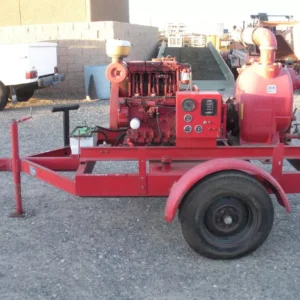
Across South Africa’s farms, mines, and construction sites, one sound carries through the day — the steady hum of a diesel water pump pushing life where it’s needed most. From crop irrigation in Limpopo to drainage work along coastal projects, these machines are the unsung heroes behind productivity.
Yet, for many operators, buying new isn’t always realistic. Rising import costs, long shipping delays, and tight budgets have turned the spotlight toward a smarter choice: used diesel water pumps. These rugged, field-tested units offer the same dependable performance at a fraction of the price, keeping projects running and crops alive even when conditions are tough.
Why Diesel Water Pumps Matter
In a country shaped by droughts, seasonal rains, and growing water demand, control over water flow is power. A reliable diesel pump can mean the difference between a good harvest and a failed one, between progress and pause.
These machines are built to move large volumes of water — drawing from rivers, dams, or boreholes — for everything from irrigation to dewatering. And because diesel engines don’t rely on grid electricity, they remain the most practical solution in rural or off-grid locations.
For many farmers and contractors, a good pump is not just equipment — it’s the heartbeat of their operation.
The Shift Toward Used Equipment
New diesel pumps can be expensive, especially high-capacity models. For smaller farms, emerging contractors, or cooperatives, that cost can delay important projects. But used doesn’t mean risky — it often means reliable.
Most pre-owned pumps on the market today come from fleets that have been serviced regularly. They’re designed for endurance, not aesthetics. Many have already proven themselves in field conditions, and with basic maintenance, they’ll run for thousands of additional hours.
Farmers, miners, and builders are turning to trusted sellers like Machinery Warehouse for affordable solutions that don’t compromise on performance.
How Diesel Pumps Work
Understanding how these machines operate helps you make smarter buying decisions.
- The Diesel Engine: Provides power to the impeller through a drive shaft. Diesel engines are durable, fuel-efficient, and capable of long continuous operation.
- The Pump Assembly: Houses the impeller that creates suction and pressure to move water through hoses or pipelines.
- Suction and Delivery Lines: The suction line draws water in, while the delivery line pushes it out to the desired location.
- Priming System: Ensures air is removed from the suction pipe so water can flow freely.
- Cooling and Exhaust: Keeps the engine temperature stable during long operation hours.
When maintained, a diesel water pump can run nonstop for entire workdays without overheating or loss of pressure — exactly what South African field conditions demand.
Common Applications Across Industries
Diesel water pumps are used far beyond traditional agriculture. They play vital roles across multiple sectors:
Farming and Irrigation
For crop irrigation, orchard watering, and livestock hydration, diesel pumps provide independence from unreliable electricity. A properly sized pump ensures steady flow even during dry spells, making it one of the most essential tools on any farm.
Mining and Quarrying
Mines rely on water removal to keep shafts and pits operational. Diesel pumps handle abrasive slurries and muddy water, offering the power needed for continuous dewatering.
Construction and Civil Works
Sites often flood during heavy rain. Pumps quickly clear trenches, foundations, and roadworks, preventing delays and material loss.
Municipal and Disaster Response
Local authorities use portable diesel pumps for flood control, drainage, and emergency firefighting, especially in rural areas where electric pumps aren’t practical.
Industrial and Commercial Uses
Factories, refineries, and treatment plants use diesel-driven pumps for water circulation, pressure boosting, and system flushing.
Their versatility is what makes them indispensable across sectors.
Types of Diesel Water Pumps
Not every pump is built for the same job. Choosing the right one depends on flow rate, head height, and fluid type.
Centrifugal Pumps
These are the most common type. The impeller spins to create pressure, pushing water through pipelines efficiently. They’re ideal for irrigation, construction, and general-purpose use.
Trash Pumps
Designed to handle dirty water mixed with debris, sand, or small stones. Commonly used on building sites, mines, and flood-prone areas.
High-Pressure Pumps
Built for pumping water over long distances or up steep gradients — perfect for sprinkler systems or high-head irrigation.
Self-Priming Pumps
Easy to start and operate, even when the suction line isn’t completely filled with water. Ideal for quick deployment and portable setups.
Submersible Diesel-Driven Units
Though less common, these are used in applications where the entire pump assembly needs to be placed underwater for deep extraction.
Each design serves a different purpose — the key is understanding your flow needs before buying.
How to Choose the Right Pump
When shopping for a used diesel water pump, these are the main factors to consider:
- Flow Rate (Litres per Second): Determines how much water the pump can move in a given time.
- Head Height (Metres): The vertical distance the pump must push water against gravity.
- Suction Lift: How deep the water source is below the pump.
- Fuel Efficiency: Older engines can still be very efficient if serviced correctly.
- Build Quality: Cast-iron or stainless-steel casings last longer than aluminium under heavy use.
- Maintenance Access: Look for pumps with easy-to-remove covers for cleaning and inspection.
If you’re uncertain, the sales team at Machinery Warehouse can help match your needs to the right specification — ensuring you buy a pump that works as hard as you do.
Inspecting a Used Diesel Water Pump
A proper inspection before buying makes all the difference. When viewing a used unit:
- Check the Engine: Start it cold. Look for easy ignition and minimal smoke.
- Listen for Noise: Knocking or uneven idling can indicate worn bearings.
- Inspect the Casing: Avoid units with cracked housings or excessive corrosion.
- Test the Flow: If possible, run water through it to confirm pressure and suction performance.
- Check Seals and Gaskets: Leaks may seem minor but can cause pressure loss over time.
- Review Maintenance Logs: A seller who keeps service records usually takes care of their equipment.
These simple checks prevent headaches later and ensure your pump performs efficiently from day one.
The Advantage of Diesel Over Electric
Diesel-powered pumps continue to dominate in areas where electricity is unreliable or unavailable. Here’s why they remain the preferred choice:
- Mobility: Easily moved between fields or sites without needing a power source.
- Fuel Efficiency: Diesel engines offer better torque and runtime compared to petrol alternatives.
- Durability: Built to handle continuous operation and rough conditions.
- Independence: No reliance on Eskom or power grid stability.
For South African farmers and contractors, that independence translates into productivity, even during load shedding or rural work far from infrastructure.
Maintenance: Keeping Water Flowing Year After Year
A well-maintained pump can outlast its first owner. Basic maintenance keeps the machine performing efficiently:
- Change oil every 100–150 operating hours.
- Clean or replace air and fuel filters regularly.
- Flush out sediment from the impeller housing.
- Keep bolts tight and hoses free of cracks or leaks.
- Store indoors when not in use to prevent rust and seal damage.
Regular care doesn’t require special tools — just discipline and consistency. It’s the difference between a machine that runs reliably for years and one that breaks down mid-season.
Stories from the Ground
On a sugarcane farm outside Pietermaritzburg, an old 4-inch diesel pump that had worked for a decade was recently replaced — not because it failed, but because the farmer needed a larger unit. Instead of scrapping it, he sold it to a neighbour starting his first irrigation project.
That same pump now powers sprinklers on a vegetable plot 15 kilometres away. It’s been running every dry season without missing a beat.
Stories like this are common. A solid diesel water pump doesn’t retire — it just finds a new farm, a new project, or a new purpose.
Environmental and Economic Benefits of Reuse
Buying used isn’t just about saving money; it’s about reducing waste. Every reconditioned pump that gets another life represents materials saved and emissions avoided.
Manufacturing new engines consumes steel, aluminium, and diesel for transport. Reusing existing machines extends their lifespan and keeps operational costs down for small farmers and local contractors. It’s an eco-friendly business choice that makes financial sense.
Why Buy from Machinery Warehouse
Finding a trustworthy supplier is as important as finding the right pump. That’s where Machinery Warehouse stands out.
Every pump listed on the platform undergoes a basic performance assessment to confirm functionality. Each listing includes:
- Accurate engine and pump details.
- Clear photos showing real condition.
- Honest descriptions — no hidden faults or exaggerated specs.
- Options for nationwide delivery straight to your site.
Buyers appreciate transparent pricing, easy communication, and after-sale assistance — essential when buying heavy-duty machinery.
Transport and Delivery
Diesel water pumps vary in size — from compact, portable units to trailer-mounted giants. Machinery Warehouse arranges delivery across South Africa through secure logistics partners.
Customers can choose between:
- Standard delivery for cost efficiency.
- Express delivery for urgent agricultural or project deadlines.
All units are strapped, covered, and insured during transport, ensuring safe arrival ready for use.
Sustaining South African Agriculture
Reliable water access underpins every sector of agriculture. Without it, crops fail, livestock suffer, and livelihoods are threatened. Diesel water pumps give farmers control over their resources, independent of municipal systems or power cuts.
From small vegetable farms in Gauteng to fruit estates in the Western Cape, used pumps continue to play a crucial role. They enable farmers to irrigate on schedule, even in remote areas where infrastructure hasn’t reached.
In a climate where every drop counts, these machines help South Africans adapt — and thrive.
Final Thoughts: The Flow Never Stops
A diesel water pump might not look impressive to an outsider, but anyone who works the land knows its worth. It’s the tool that turns dry fields green, that saves construction sites from flooding, and that keeps mines running day and night.
Used models prove that performance isn’t about shine — it’s about dependability. They’ve done the work before, and they’ll do it again.
If you’re looking for a tested, affordable way to move water efficiently, explore the full range of used diesel water pumps at
👉 MachineryWarehouse.co.za.
You’ll find trusted brands, clear listings, and machines ready to deliver where it matters most.
About Machinery Warehouse
Machinery Warehouse is a South African platform connecting farmers, contractors, and industrial users with dependable used machinery. From diesel generators to water pumps, each unit is inspected for quality and offered at fair value to keep projects and farms running efficiently.