
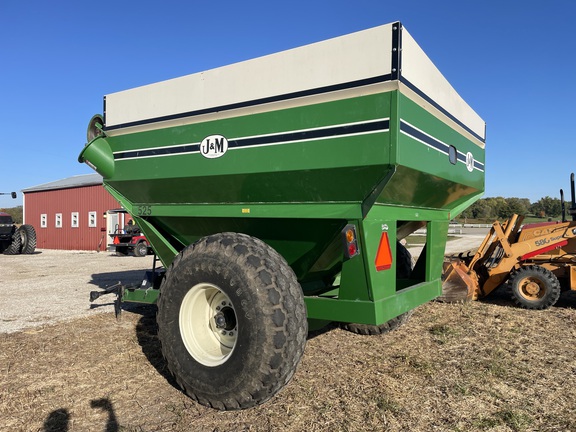
Harvest time is a race against weather, daylight, and logistics. When crops are ready, there’s no waiting — every hour counts. In that race, few machines prove their worth like the grain cart. It’s the silent bridge between harvester and storage, the workhorse that keeps the combine running while the trucks queue at the silo.
Across South Africa’s farms, from the maize fields of Mpumalanga to the wheat plains of the Western Cape, used grain carts have become a symbol of practical efficiency. Built tough, simple to maintain, and vital for any large-scale operation, they’re helping farmers move grain faster, safer, and at lower cost.
The Unsung Backbone of Every Harvest
A grain cart might not look impressive to the casual observer — just a large metal box on wheels. But anyone who’s spent a day in the cab of a combine knows how critical it is.
While the harvester works, the cart waits in the field. As the bin fills, the auger swings out and transfers the grain on the move. No stopping, no downtime. The combine keeps cutting while the cart takes the load. That saved time can mean thousands of extra rands in yield by the end of the season.
When efficiency and timing decide profit margins, the grain cart becomes more than a convenience — it’s a necessity.
Why More Farmers Are Turning to Used Grain Carts
Buying new agricultural equipment can strain even well-established farms. Grain carts, like other harvesting tools, are designed to last decades — so the used market offers incredible value.
A second-hand grain cart that’s been properly maintained delivers the same performance as a new one, without the long wait or high capital cost. The reasons farmers are choosing used include:
- Affordability: You get high-capacity hauling at a fraction of new prices.
- Durability: Steel hoppers and reinforced frames handle rough terrain year after year.
- Proven reliability: Used carts have already been tested under field conditions.
- Immediate availability: No shipping or manufacturing delays.
- Ease of repair: Most use standard bearings, chains, and gearboxes available locally.
Buying used means you can scale up your harvest logistics now — not after the season’s already over.
How Grain Carts Work
A grain cart’s job is simple but essential: collect and transport harvested grain efficiently. But within that simplicity lies smart engineering.
1. Hopper or Tank
This is the main body that stores the grain. Capacities range from small 5-ton models for compact operations to massive 30-ton carts for commercial farms.
2. Auger System
A hydraulic or PTO-driven auger unloads grain quickly into trucks or silos. Modern augers discharge in minutes, reducing bottlenecks during peak harvest times.
3. Running Gear and Axles
Heavy-duty axles and flotation tyres distribute weight evenly, protecting the soil and ensuring smooth operation even in soft fields.
4. PTO (Power Take-Off) or Hydraulic Drive
Transfers energy from the tractor to the auger for consistent, controlled unloading.
5. Controls and Safety Systems
Newer models feature flow-control valves, hydraulic covers, and LED work lights for night operation — features often retained in used carts.
When everything works together, the cart keeps your harvester running non-stop, cutting downtime and fuel consumption significantly.
Key Benefits for South African Farms
South African farmers face challenges unique to the region: irregular weather, variable soil types, and long distances between fields and storage. Grain carts address these realities perfectly.
- Continuous Harvest Flow: Keep combines operating efficiently without frequent stops.
- Labour Savings: One operator and one tractor can handle transport for multiple harvesters.
- Reduced Compaction: Wide tyres and balanced weight prevent rutting and soil damage.
- Improved Grain Quality: Faster unloading reduces moisture buildup and spoilage risk.
- Adaptability: Suitable for maize, wheat, sunflower, barley, soybeans, and other field crops.
For mixed or rotational farms, a grain cart easily switches between crop types, making it one of the most versatile harvest tools available.
Inspecting a Used Grain Cart
Like any second-hand equipment purchase, inspection is crucial. Here’s what to look for before you buy:
- Hopper Condition: Check for rust, cracks, or thin metal along welds. Small patches are fine; structural corrosion is not.
- Auger Flighting: Inspect for wear along the leading edge. Smooth, sharp flights ensure fast unloading.
- Gearbox and Drive Chain: Rotate the system manually; it should move freely without grinding.
- Hydraulics: Test cylinders for leaks and check hoses for brittleness.
- Tyres and Axles: Uneven wear can signal poor balance or overloading.
- Paint and Frame: A clean, repainted surface isn’t everything — but consistent maintenance shows care.
Reputable sellers, like Machinery Warehouse, often verify these points before listing equipment. That transparency gives you peace of mind before the deal is done.
The Role of Grain Carts in Modern Harvesting Systems
A generation ago, most South African farms used trucks or trailers to shuttle grain. It worked — until farms grew larger and harvesters faster. Trucks couldn’t keep up.
The modern approach pairs one or more harvesters with a grain cart and a support tractor. As the harvester fills, the cart moves alongside, transfers the grain, and then delivers it to waiting trucks at the field edge.
This method, called on-the-go unloading, eliminates idle time. It allows a single truck fleet to service multiple harvesters efficiently. The result is smoother logistics, lower fuel use, and faster turnaround — exactly what high-output farming demands today.
Grain Cart Sizes and Configurations
Every farm has different needs, and carts come in a range of designs to match.
- Single Auger Carts: Simple and efficient for most farms.
- Dual Auger Carts: Faster unloading for commercial-scale operations.
- Corner Auger Systems: Easier visibility and safer truck loading.
- Track-Mounted Models: Reduce ground pressure on soft or wet fields.
- Compact Carts: Designed for smaller tractors and lighter harvest operations.
Most South African farms find the sweet spot between 8 and 18 tons — large enough to keep up with combines but easy to manoeuvre across mixed terrain.
Matching Tractor Power
Power requirements vary by size and terrain. As a general guideline:
- Smaller 6–10 ton carts work with 70–100 HP tractors.
- Mid-sized 12–18 ton units pair well with 120–160 HP tractors.
- Larger commercial carts may need 200 HP or more for safe operation on uneven ground.
The good news? Most used grain carts in the market are compatible with common South African tractors — Case IH, John Deere, Massey Ferguson, and New Holland among them.
Maintenance for Long-Term Reliability
A grain cart’s simplicity makes it one of the easiest machines to maintain. A few good habits will keep it in top shape for years:
- Lubricate all moving joints and bearings before harvest season.
- Clean out grain residue after each use to prevent rust and contamination.
- Check the auger drive chain for tension and lubrication.
- Inspect hydraulic fittings before every season.
- Store under cover — prolonged sun exposure can harden hoses and fade paint.
When maintained properly, a used grain cart can operate for decades with only minor component replacements.
Real Farmers, Real Experience
Talk to any experienced grain producer, and they’ll tell you: the difference between a smooth harvest and a stressful one often comes down to having enough carts.
One North West farmer put it plainly:
“Before we bought our first grain cart, we were losing hours every day waiting on trucks. Now, the combine never stops. We doubled our daily yield capacity without adding another tractor.”
Another in the Free State shared:
“We bought our cart second-hand from Machinery Warehouse. It wasn’t new, but it was solid. It’s been through three harvests already without a single breakdown.”
Reliability doesn’t come from new paint — it comes from proven design and proper upkeep.
Environmental and Economic Benefits
Reusing heavy equipment reduces waste and resource consumption. A used grain cart requires no new steel, rubber, or manufacturing energy — making it an environmentally responsible choice.
Financially, the benefits are just as strong. For the price of one new cart, you could often purchase two used models, expanding capacity and flexibility. That kind of efficiency matters in today’s tight-margin farming environment.
Why Choose Machinery Warehouse
Not all sellers understand the realities of South African agriculture. Machinery Warehouse stands out because it’s built around those realities.
Each used grain cart listed on the site goes through a careful review process to ensure accurate descriptions and fair pricing. Photos show the actual unit, not stock images, and every listing includes detailed specs for easy comparison.
Customers benefit from:
- Verified equipment condition reports.
- Nationwide delivery options.
- Secure payment handling.
- Knowledgeable support for selecting compatible implements.
This combination of honesty and service has made Machinery Warehouse a go-to source for farmers looking to upgrade their operations affordably.
Transport and Delivery Across South Africa
Whether you’re in the Northern Cape or KwaZulu-Natal, Machinery Warehouse coordinates safe and insured transport directly to your farm.
- Standard delivery offers cost-effective scheduling.
- Express delivery ensures quick arrival during active harvests.
Each machine is secured and checked before loading, ensuring it arrives ready for immediate use.
The Future of Efficient Harvesting
South African agriculture is growing more advanced every season — precision technology, moisture monitoring, and yield mapping are becoming the norm. But at the heart of it all, mechanical reliability still rules.
A good grain cart represents that balance between technology and tradition: solid steel, simple mechanics, and dependable output. Farmers who understand that balance continue to lead, proving that smart investments — not necessarily new ones — drive progress.
Final Thoughts: The Strength Behind Every Successful Harvest
When the dust settles after a long day in the field, and the last load rolls toward the silo, it’s the unseen work of the grain cart that makes it all possible. It keeps the combines cutting, the trucks moving, and the harvest flowing.
Used grain carts deliver that performance without the financial weight of brand-new equipment. They’re the proof that efficiency and affordability can go hand in hand.
If you’re ready to streamline your next harvest, explore the full range of used grain carts at
MachineryWarehouse.co.za.
Each model is inspected, priced fairly, and ready to roll — built for farmers who believe that good equipment should work, not wait.
About Machinery Warehouse
Machinery Warehouse connects South African farmers, builders, and contractors with dependable used machinery. Every unit is checked for quality and accuracy before listing, giving buyers peace of mind and real value for their investment.