
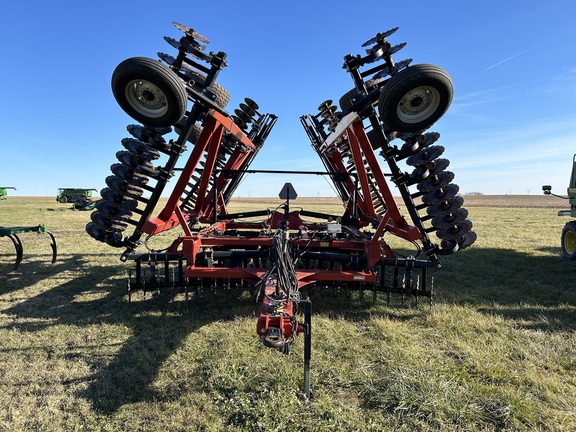
Every successful harvest begins long before the first seed is planted. Beneath every thriving crop lies well-prepared soil — loose, rich, and ready to receive life. Among the tools responsible for creating that perfect growing foundation, few are as essential or versatile as the rototiller.
From small vegetable gardens to large commercial fields, rototillers are the hidden force behind South Africa’s most productive farms. And with the rising costs of new equipment, more farmers are discovering that used rototillers offer the same performance and reliability — without the high price tag.
Across the country, from Limpopo’s maize fields to Western Cape vineyards, farmers are turning to used tillage machinery from Machinery Warehouse to break new ground efficiently, economically, and sustainably.
Why Rototilling Matters in Modern Farming
Healthy soil is alive. It’s a mix of minerals, organic matter, water, and microorganisms — but when it becomes compacted, it suffocates. Roots struggle, water drains poorly, and yields suffer. Rototilling revitalizes this ecosystem by aerating and loosening the soil, allowing oxygen, moisture, and nutrients to move freely.
Whether used for vegetable farming, orchard preparation, or landscaping, the rototiller creates an even, crumbly surface ideal for planting and root development. It also helps incorporate compost or fertilizer evenly, ensuring that nutrients reach every part of the field.
In South Africa, where soil conditions range from sandy coastal plains to heavy inland clays, rototillers are indispensable. They adapt to local conditions, handle diverse crops, and perform reliably year after year — especially when properly maintained.
The Growing Market for Used Rototillers
Agricultural mechanization in South Africa continues to expand, but the cost of new machines often puts them out of reach for smaller farmers or cooperatives. Fortunately, the market for used rototillers bridges this gap perfectly.
Rototillers have simple, durable designs: heavy-duty gearboxes, steel tines, and dependable engines or PTO systems. With regular maintenance, many models operate efficiently for decades. This makes buying used a practical, cost-effective choice for anyone wanting quality without unnecessary expense.
Advantages of Buying Used
- Major cost savings: Prices are often 50–70% lower than new models.
- Proven reliability: Used machines have already demonstrated their field performance.
- Readily available: Skip long import or delivery delays.
- Easy servicing: Older models use standard parts found locally.
- Environmentally friendly: Extends the lifespan of machinery, reducing waste.
When sourced from reputable suppliers like Machinery Warehouse, used rototillers deliver the same soil preparation benefits as new machines — at a fraction of the price.
Understanding Different Types of Rototillers
Rototillers come in several configurations, each suited to specific farm sizes and soil types. Understanding these differences ensures you select the right machine for the job.
1. Front-Tine Rototillers
Compact and easy to manoeuvre, front-tine models are perfect for gardens, nurseries, and smaller plots. They dig shallow but efficiently, making them ideal for light, sandy soils or seedbed finishing.
2. Rear-Tine Rototillers
Built for deeper, tougher work, rear-tine machines use counter-rotating blades and stronger frames. They can break through compacted or clay soils, making them the preferred choice for commercial farms.
3. Tractor-Mounted Rototillers (PTO-Driven)
These attach directly to a tractor’s power take-off (PTO) shaft, allowing deep, wide coverage for large fields. They’re common across South Africa’s commercial farming operations.
4. Mini and Electric Rototillers
Smaller electric or compact petrol units are used for home gardens, landscaping, or greenhouse soil preparation.
Each type of tiller offers distinct benefits depending on soil density, working depth, and the size of your operation.
Key Features That Define a Good Rototiller
When selecting a used rototiller, understanding its core features helps you assess value and performance.
1. Engine or PTO Power
The power source determines depth and torque. Petrol or diesel models typically range between 5 HP and 15 HP, while PTO-driven implements rely on the tractor’s horsepower for strength.
2. Tine Configuration
Tines come in forward-rotating, counter-rotating, or dual-rotating styles. Counter-rotating blades cut deeper and handle tougher soils, while forward-rotating blades are faster and gentler on soft ground.
3. Working Width
Measured across the blade set, tilling width determines how quickly you can cover ground.
- Small gardens: 60–90 cm
- Medium farms: 100–150 cm
- Large operations: 160 cm and above
4. Depth Control
Adjustable skids or levers allow precise control of working depth — crucial for consistent soil conditioning.
5. Frame Strength and Safety
A sturdy frame and enclosed gearbox protect vital parts from debris, ensuring long-term durability.
Inspection Tips Before Buying Used
Even rugged equipment like a rototiller benefits from a thorough inspection. Before purchasing, consider these essential checks:
- Tines: Ensure they’re not excessively worn, bent, or cracked. Replaceable tines are a plus.
- Gearbox: Look for oil leaks and test smooth rotation when manually turning the shaft.
- Bearings and Shafts: Should move without grinding or wobble.
- Frame: Check welds, brackets, and skid plates for signs of fatigue or repairs.
- PTO Shaft or Engine: Confirm that couplings, belts, and pulleys are intact.
- Noise and Vibration: Start the engine (or PTO test) to listen for irregular sounds.
Machinery Warehouse inspects all used implements before listing, ensuring transparency and readiness for immediate work.
How Rototillers Improve Soil Health
Rototillers are more than just mechanical tools — they’re instruments of soil restoration. Properly used, they enhance fertility, improve texture, and boost long-term yields.
1. Aeration
Breaking compact layers allows oxygen to reach the root zone, stimulating beneficial bacteria and earthworm activity.
2. Moisture Retention
Loosened soil absorbs rainfall evenly, reducing runoff and improving drought resilience.
3. Weed Control
By disturbing the upper soil layer, rototillers uproot weeds and reduce competition for nutrients.
4. Nutrient Distribution
Compost, manure, or fertilizer can be mixed uniformly into the soil profile, ensuring balanced nutrient availability.
5. Root Penetration
Plants grow stronger and healthier when roots can spread freely through aerated soil.
These combined effects make rototillers one of the most valuable soil-management tools in sustainable agriculture.
Maintenance for Long-Term Use
Rototillers are simple to maintain, but regular attention ensures smooth performance and longevity.
Routine Maintenance Checklist:
- Clean the machine after every use — remove dirt and vegetation from blades and guards.
- Check oil levels in engines or gearboxes before each session.
- Sharpen or replace tines as needed for consistent cutting.
- Inspect belts, pulleys, and chains for proper tension.
- Lubricate moving parts to prevent rust and friction wear.
- Store in a dry, covered location away from moisture and direct sunlight.
These small steps can extend the life of a used rototiller for many years.
Applications Across South Africa
Rototillers aren’t limited to crop farms — they play vital roles across multiple industries.
- Vegetable and fruit farms: Prepare soft, nutrient-rich seedbeds.
- Vineyards: Maintain soil between rows without damaging vines.
- Sugarcane and maize fields: Break compact layers to enhance root growth.
- Livestock farms: Prepare forage and pasture areas efficiently.
- Greenhouses and nurseries: Maintain soil texture for potted plant production.
- Landscaping and estates: Keep large gardens, turf areas, and flowerbeds in optimal condition.
Because of their versatility, used rototillers are equally valuable for commercial and private use across South Africa’s varied landscapes.
Economic and Environmental Advantages
Buying a used rototiller isn’t just a financial decision — it’s an environmental one.
- Reduced costs: Makes mechanization accessible to smaller farms.
- Lower depreciation: Used machines retain resale value better than new models.
- Sustainability: Extending the lifespan of machinery reduces the need for new steel and fuel-intensive production.
- Efficient fuel use: Modern used rototillers often have advanced gearbox designs that optimize energy transfer.
This combination of affordability and responsibility makes used machinery an important part of sustainable agriculture.
Top Brands in South Africa’s Used Market
Durability depends not only on use but on engineering. South African farmers benefit from a strong supply of proven, international and local brands, including:
- Honda: Compact engines with excellent reliability and fuel efficiency.
- Kubota: High-quality PTO-driven tillers known for longevity.
- Rovic Leers: Locally built for African conditions and heavy soils.
- Husqvarna: Perfect balance between power and operator comfort.
- John Deere: Trusted for industrial-scale farming performance.
- BPI and Falcon: Affordable and practical implements made for long-term use.
These brands have earned their reputation by thriving in real working conditions — many of their used models continue operating reliably after thousands of hours in the field.
Voices from the Field
A vegetable grower in Polokwane purchased a used Kubota rototiller from Machinery Warehouse in 2023. “It changed how we farm,” he says. “The soil was compacted for years, but after two runs, the water started penetrating deeper. The next crop came up stronger.”
In the Western Cape, a landscaping contractor bought a used Honda-powered tiller. “I do garden prep for estates and hotels. This tiller saves me hours of labour every week — and it’s so easy to maintain.”
These real-world stories reflect why so many South Africans rely on used equipment: it’s dependable, affordable, and built for hard work.
Why Buy from Machinery Warehouse
Buying used agricultural machinery requires trust — and Machinery Warehouse has earned it by prioritizing transparency, quality, and service.
Every listing includes:
- Verified product condition and specifications.
- Detailed photos of the actual machine.
- Honest descriptions — no hidden issues.
- Secure transactions and documentation.
- Optional delivery to any province in South Africa.
Whether you need a compact tiller for vegetable beds or a large PTO-driven model for commercial use, Machinery Warehouse provides reliable options ready for work.
Nationwide Delivery and Support
Machinery Warehouse offers insured nationwide delivery.
- Standard delivery: Affordable, ideal for planned purchases.
- Express delivery: Fast dispatch for urgent field operations.
All machines are inspected, cleaned, and securely packaged before transport to ensure safe arrival and immediate usability.
Final Thoughts: From Hard Soil to Healthy Fields
A rototiller does more than just turn the ground — it transforms it. It restores life to compacted soil, creates the right structure for growth, and saves hours of manual labour. For South African farmers, landscapers, and growers, it’s one of the most valuable investments on the farm.
A used rototiller carries the same strength and reliability as a new one, often at half the cost. Built tough, easy to maintain, and adaptable to all conditions, it’s the perfect partner for anyone working the land.
Explore the full selection of used rototillers available at
MachineryWarehouse.co.za
and discover how to turn every patch of soil into fertile opportunity — efficiently, affordably, and sustainably.