
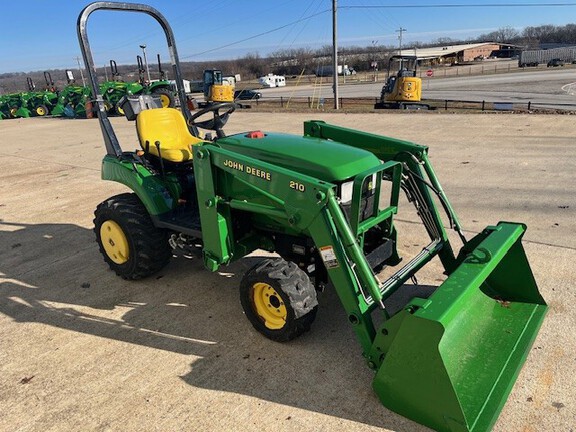
Every great project starts with movement — the moving of soil, gravel, crops, or rock. Behind that motion is one machine that never rests: the loader. Whether it’s lifting silage on a Free State farm, loading aggregate at a quarry, or clearing debris at a construction site, loaders are the quiet backbone of progress in South Africa.
From Johannesburg’s industrial yards to Limpopo’s maize fields, these machines prove that power and precision don’t have to come at a premium. And today, more contractors, farmers, and operators are discovering the smart path forward — investing in used loaders that deliver professional performance without the cost of new machinery.
The Role of Loaders in Modern South Africa
Loaders are built for one simple task — lifting and transporting materials — but their impact stretches far beyond that. They shape landscapes, feed production lines, and form the first step in countless industries.
- In construction, they move sand, stone, and debris, keeping building timelines on track.
- In agriculture, they load silage, compost, and grain, turning large-scale farming into smooth operations.
- In mining and industrial work, they feed crushers and manage waste piles with ease.
Every region in South Africa relies on these machines in some way. From municipal maintenance crews to mega farms, loaders keep things moving — literally.
Why Buying Used Makes Perfect Sense
New loaders can cost millions of rand — an investment that’s not always practical for small businesses or expanding operations. That’s why the used loader market continues to grow rapidly.
A well-maintained used loader can run for decades, often with little difference in capability from its new counterpart. These machines are built for abuse — rugged frames, heavy-duty hydraulics, and powerful diesel engines designed to outlast changing ownership.
The Advantages of Buying Used
- Massive cost savings: Often 40–70% lower than new.
- Immediate use: No factory wait or import delays.
- Proven reliability: Machines that have already worked in real conditions.
- Easier maintenance: Older models are simpler, with mechanical systems and fewer electronics.
- Lower depreciation: Most of the value loss happens in the first few years — used units hold their worth.
For a contractor or farmer, that means one thing: you get the same muscle for much less money.
Understanding the Types of Loaders
Different jobs demand different types of loaders. Understanding the options helps you choose the right one for your operation.
1. Wheel Loaders
The most common and versatile type, equipped with large front buckets and robust tires. Ideal for construction sites, agricultural tasks, and transport yards.
- Easy to drive, fast on-site, and capable of handling heavy loads.
- Sizes range from compact 1-ton units to massive 20-ton machines.
2. Skid Steer Loaders
Compact, agile, and powerful — perfect for tight urban or farm environments.
- Can turn within their own footprint, saving space.
- Accept a wide range of attachments like pallet forks, augers, and trenchers.
3. Backhoe Loaders
A dual-purpose powerhouse combining a front loader with a rear excavator arm.
- Perfect for small contractors or municipalities that need digging and loading in one.
4. Telescopic Handlers (Telehandlers)
These loaders feature extendable booms for lifting materials vertically — great for stacking hay bales, loading trucks, or placing pallets in warehouses.
5. Track Loaders
With steel or rubber tracks instead of tires, these excel on muddy or uneven terrain. They offer excellent traction for forestry, mining, or rural sites.
Whether you’re lifting soil, feed, bricks, or stones, there’s a used loader design ready for the job.
Key Features to Check Before Buying
When buying a used loader, a careful inspection ensures performance and longevity.
1. Engine Health
Start the engine cold. It should ignite quickly, run smoothly, and emit minimal smoke. Check oil levels and signs of leakage around seals.
2. Hydraulics
Inspect hoses, cylinders, and fittings for leaks. The lift and tilt functions should respond smoothly and evenly without jerking or lagging.
3. Transmission
Drive through all gears, both forward and reverse. Hesitation or noise may suggest clutch or gearbox wear.
4. Tires or Tracks
Look for even tread wear and solid sidewalls. On tracked models, check track tension and undercarriage wear.
5. Frame and Pins
Examine joints for play or cracks. Excessive movement can indicate worn bushings or heavy past use.
6. Cab and Controls
Ensure steering, brakes, lights, and gauges are working. Comfort matters for operators spending long hours in the seat.
At Machinery Warehouse, these checks are completed before listing. Each loader is verified, photographed, and described honestly, so you know exactly what you’re buying.
Performance You Can Count On
The beauty of a loader lies in its simplicity. It’s built to endure harsh conditions — dust, mud, uneven ground — and still perform daily without fail.
A used Caterpillar, Komatsu, JCB, or Volvo loader, properly serviced, can handle thousands of work hours beyond its initial lifespan. South African operators routinely report units running for over 20,000 hours with no major engine rebuilds — a testament to the engineering behind these machines.
Even compact loaders from brands like Bobcat, CASE, and Liugong continue to thrive in agricultural and industrial roles across the country.
Choosing the Right Loader for Your Operation
Each job site demands a balance of power, maneuverability, and efficiency. Here’s how to narrow your options:
- Small-scale farms or nurseries: A skid steer or compact wheel loader offers easy mobility.
- Construction and logistics: Medium wheel loaders (3–6 tons) provide the ideal capacity.
- Mining and bulk material handling: Go for large wheel loaders or articulated units for heavy loads.
- Mixed-use businesses: Backhoe loaders deliver versatility for digging, lifting, and grading.
The right choice saves time, fuel, and labour — and keeps your projects running smoothly all year.
Fuel Efficiency and Power Management
Loaders are notorious for high fuel consumption, but modern engines — even on older models — have made huge strides in efficiency.
Diesel power offers torque, durability, and fuel savings over petrol alternatives. Routine servicing and clean filters help maintain that efficiency. Some advanced loaders even include auto-idle and load-sensing hydraulics to minimize waste during idle cycles.
For operators watching fuel budgets, proper engine maintenance and trained driving habits make a noticeable difference in daily costs.
Maintenance Tips for Longevity
Regular maintenance is the secret to keeping a used loader productive for decades.
- Change hydraulic and engine oils at the manufacturer’s recommended intervals.
- Grease pivot points daily or after every heavy shift.
- Inspect cooling systems — overheating can ruin engines.
- Keep air filters clean, especially in dusty environments.
- Tighten bolts and check tire pressures weekly.
Preventative care costs little compared to repairs — and ensures smooth operation season after season.
Where Used Loaders Work Hardest
From coastal construction zones to inland farms, loaders are at home wherever heavy work happens.
- Agriculture: Loading grain, mixing feed, or clearing barns.
- Construction: Site preparation, concrete mixing, and material transport.
- Mining: Feeding crushers, hauling ore, and maintaining haul roads.
- Municipal work: Cleaning debris, maintaining landfill sites, and snow or sand clearing.
- Industrial yards: Moving containers, scrap, and bulk goods efficiently.
A single loader can replace multiple smaller machines — one of the reasons why it remains a top investment for mixed-use operations.
Real Stories from the Field
A construction company in Mpumalanga purchased a used Caterpillar 924H loader from Machinery Warehouse in 2022. After two years, it still works daily with zero downtime. “We serviced it once every 500 hours,” says the foreman. “It’s earned its cost back three times over.”
Another example comes from a dairy farm in the Western Cape. The owner invested in a second-hand JCB telehandler for feeding and stacking bales. “I thought about buying new,” he explains, “but the used one does everything I need — and it cost me less than half.”
Across the country, these stories repeat. Used doesn’t mean old — it means experienced.
Sustainability Through Reuse
Reusing heavy equipment is one of the most effective forms of sustainable business. Each loader that continues working saves tons of raw materials and energy otherwise spent on new production.
It’s a win for both the environment and your budget. Keeping quality machinery in service reduces waste and extends the lifespan of reliable designs built long before today’s disposable mindset.
Trusted Brands Found at Machinery Warehouse
Machinery Warehouse curates listings from the most respected names in the industry:
- Caterpillar (CAT) — unmatched in strength and resale value.
- Komatsu — advanced hydraulics and operator comfort.
- Volvo Construction Equipment — reliable Scandinavian design.
- JCB — rugged, adaptable, and popular for multi-use tasks.
- CASE & Liugong — dependable mid-range performance for cost-conscious buyers.
Each brand has earned its reputation by doing one thing consistently: performing under pressure.
Why Buy from Machinery Warehouse
Purchasing used equipment requires trust, and that’s exactly what Machinery Warehouse provides.
When you buy a loader through the platform, you get:
- Verified product condition and specifications.
- Real photos of the exact unit.
- Secure transactions and documentation.
- Optional nationwide delivery.
- Support from a knowledgeable team who understands the machinery you’re buying.
Every listing is vetted for quality and honesty, ensuring a reliable investment for your business or farm.
Nationwide Delivery and Support
Machinery Warehouse delivers across South Africa — from Gauteng to Northern Cape, KwaZulu-Natal to the Western Cape.
- Standard delivery: Affordable and ideal for planned purchases.
- Express delivery: Fast dispatch for urgent projects or ongoing site work.
All units are secured and insured during transport, arriving ready to work.
Final Thoughts: Strength That Pays for Itself
A loader isn’t just another piece of machinery — it’s the muscle that drives productivity. Whether you’re building, farming, or managing logistics, the right loader pays for itself through saved time, reduced labour, and improved efficiency.
Used loaders deliver that same power for less, giving South African businesses the strength to grow sustainably and profitably.
If you’re ready to find a reliable machine for your next project, explore the current selection of used loaders at
MachineryWarehouse.co.za.
Each unit is inspected, priced fairly, and ready to lift your operation to new heights.